
By Daniel Chigundu
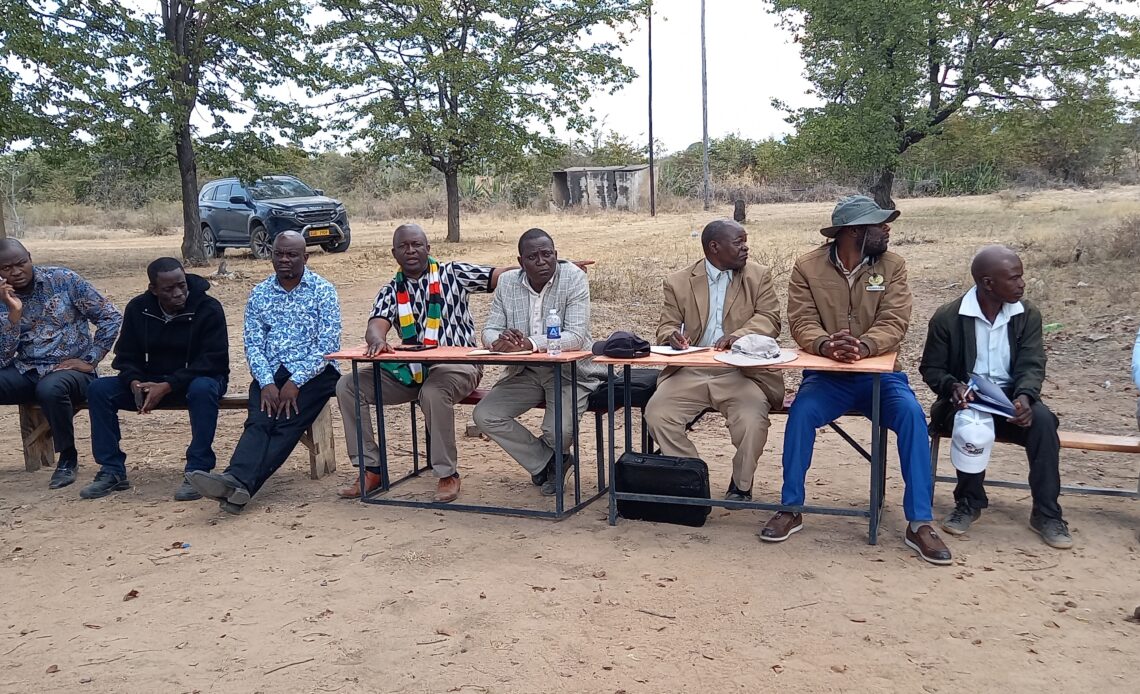
The Chairperson of the Parliamentary Portfolio Committee on Environment, Climate and Wildlife, Honourable Sam Matema, says inadequate engagement is the main factor behind the challenges between Sabi Star Mine and residents of Buhera’s Wards 11, 12, and 14.
Sabi Star Lithium Mine, operated by Max Minds Investments, began production in 2023. The project has been hailed as a major milestone for Zimbabwe’s economic growth because of its contribution to foreign currency earnings.
The US$45 million lithium flotation plant, commissioned by President Emmerson Mnangagwa, has an initial capacity to process 300,000 tonnes of lithium concentrate annually. The investment is expected to strengthen Zimbabwe’s position as a regional lithium hub.
Despite these economic benefits, tensions have emerged between the mine and surrounding communities over continous expectations when residents were relocated to make way for mining operations. According to Sabi Star Mine, it fulfilled its promises on houses, employment of locals and boreholes among other issues.
However, Honourable Matema believes these tensions can be addressed through stronger engagement between the mine and local stakeholders.
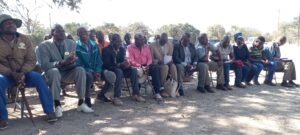
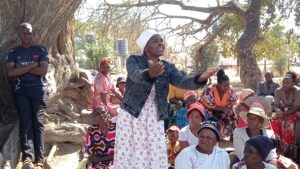
Speaking during a validation tour of Wards 11, 12, and 14 in Buhera, Honourable Matema said regular dialogue between the mine, community leaders, and other stakeholders is essential to safeguard the investment while addressing residents’ concerns.
‘’What is coming out clearly, is the issue of engagement. There is less engagement at different layers of leadership. Because of the need of this investment, it is important to have engagement between the mine and all the stakeholders,” he said.
One of the residents employed by the mine, Pride Chingoma, welcomed the investment and encouraged fellow community members to support it. However, he said the mine should also work closely with residents to address pressing local challenges.
‘’I urge the people of the community to embrace this blessing that has come to our area, and I also wish if the mine officials were here at this meeting so that we could talk to them. They are mining in this area, but we have challenges as residents that need their help. We all know that Buhera is a dry area and we have water challenges. They can invest as much as they want as long as they help solve the challenges in the area, and we will be happy,’’ he said.
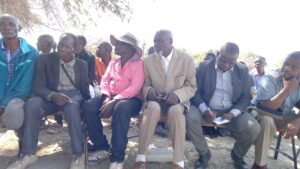
Speaking at the same meeting, Chief Nemhari expressed concern over the lack of clearly defined mine boundaries, saying the uncertainty has made it difficult for him to carry out his traditional leadership responsibilities.
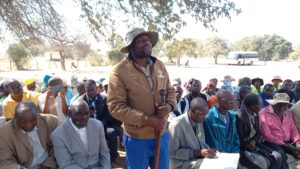
Chief Nemhari
‘’The coming of the mine (Sabi Star Mine) to this area makes me happy because it uplifts the status and name of the area, but it must help us. I have one issue that I have which is yet to be addressed.
‘’I am a chief, people are being allocated land to build houses, and we are also seeing mining pegs everywhere, and I have asked about the boundaries of the mine, but am yet to be told. They keep saying they are still coming up with the map, so we are appealing to the mine to show us where their boundaries start and end.
‘’In conclusion, we are not saying the mine has not done anything for us, we have benefitted a lot from them. There are a lot of things that we are benefiting and we want this mine to remain in our area, but challenging issues must be fixed,’’ he said.
The validation tour highlighted that while residents acknowledge the economic opportunities created by Sabi Star Mine, they also expect greater engagement, transparency, and continued investment in community development. Local leaders believe that regular dialogue between the mine and surrounding communities will be key to resolving outstanding concerns and ensuring that both the company and residents benefit from the mine’s long-term presence.
Since commencing operations in Buhera, Sabi Star Mine has invested significantly in improving the lives of local communities through a wide range of corporate social responsibility (CSR) initiatives. Since 2022, the mining company has channelled millions of United States dollars into healthcare, housing, water infrastructure, and community development projects that continue to benefit both employees and surrounding communities.
One of the mine’s flagship CSR projects is the construction of a modern community clinic at a cost of US$132,190.90. The facility has greatly improved access to healthcare services for mine employees and residents, particularly those from surrounding villages who previously travelled more than 10 kilometres to reach the nearest health centre.
To strengthen the clinic’s capacity, Sabi Star Mine invested a further US$51,847.68 in medical equipment, enabling the facility to provide essential healthcare services while complementing the Government’s efforts to achieve universal access to quality healthcare. The company also committed an additional US$10,994.47 towards completing the facility and ensuring it was fully operational.
Housing has been another major area of investment. In Murambinda, Sabi Star Mine constructed 23 modern five-roomed houses for relocated families at a total cost of US$1,063,282.31. The investment covered construction costs, the purchase of residential stands, and statutory fees payable to Buhera Rural District Council.
The company also built rural homes for families who opted to relocate to nearby villages. The project, valued at US$1,077,411.15, included construction costs, the acquisition of residential stands, and statutory fees payable to Buhera Rural District Council.
In recognition of the importance of traditional leadership, Sabi Star Mine constructed a modern three-bedroom house for Chief Nyashanu in Murambinda demonstrating its commitment to respecting local customs and strengthening relations with traditional authorities.
Access to clean water has also been prioritised. The mine invested US$74,561.30 in drilling 18 boreholes across Buhera communities, improving access to safe drinking water for thousands of residents. In addition, it installed 10 solar-powered boreholes at a cost of US$18,161.44 to support school nutrition gardens.
For families relocated to Murambinda, Sabi Star Mine further invested US$64,113.70 in water supply and reticulation infrastructure, ensuring reliable access to clean water at the newly developed residential areas.
Beyond providing water, the solar-powered boreholes have become a catalyst for local economic development. The projects have empowered women and young people to establish horticultural gardens, producing vegetables for supply to the mine while enhancing household incomes, improving food security, and strengthening community livelihoods.
Through these investments, Sabi Star Mine has demonstrated its commitment to creating lasting social and economic benefits for the Buhera community, complementing its mining operations with projects that improve healthcare, housing, water access, and sustainable livelihoods.